
 By kevin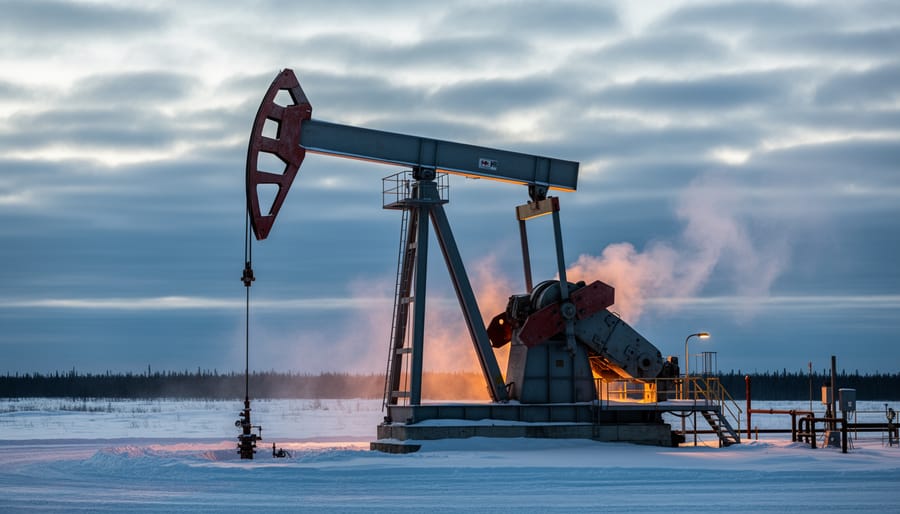
The answer sits in our atmosphere, where invisible gases trap heat like a thickening blanket around Earth. Carbon dioxide, methane, nitrous oxide, and fluorinated gases accumulate at unprecedented rates, primarily because humans burn fossil fuels for energy, clear forests that once absorbed carbon, and industrialize agriculture at massive scales. Since the mid-1800s, atmospheric CO2 has jumped from 280 parts per million to over 425 ppm in 2026, a pace unmatched in at least 800,000 years of geological records.
Science has understood the basic mechanism since the 1850s when Irish physicist Eunice Foote demonstrated that CO2 traps heat. Today we know the sources with precision. Fossil fuel combustion for electricity, transportation, and manufacturing accounts for roughly 75% of global greenhouse gas emissions. Deforestation contributes another 10-12%, releasing stored carbon while eliminating nature’s primary carbon sinks. Industrial agriculture, particularly livestock production and synthetic fertilizers, releases methane and nitrous oxide at alarming rates.
In Canada, the picture sharpens further. Our oil and gas sector remains the largest emissions source at 28% of the national total, followed by transportation at 22%. Yet responsibility extends beyond percentages. Indigenous communities across the country have witnessed these changes most directly: thawing permafrost destabilizing homes in Nunavut, wildfire smoke blanketing British Columbia with increasing frequency, changing migration patterns disrupting traditional harvests.
This isn’t just an environmental crisis. It’s a legal and moral one. Understanding causation matters because it determines accountability. When we trace emissions to specific sources and decision-makers, we create pathways for legal action, policy reform, and climate justice. The question isn’t simply what causes climate change. It’s who bears responsibility for addressing it, and how Canadian law can compel action.

The Greenhouse Gas Mechanism: How Warming Actually Happens
Which Gases Are Responsible?
Not all greenhouse gases contribute equally to warming our planet. Four main types drive the current climate crisis, each with distinct sources and warming effects.
Carbon dioxide stands as the dominant player, responsible for roughly three-quarters of human-caused warming. Every time we burn coal, oil, or natural gas, whether in power plants, vehicles, or home furnaces, we release CO2 into the atmosphere. It persists for centuries once emitted, building up year after year. Deforestation compounds the problem by removing trees that would otherwise absorb this carbon. While CO2 traps less heat molecule-per-molecule than some other gases, the sheer volume we pump into the air makes it the primary culprit.
Methane comes second in impact but packs a much stronger punch in the short term. Over a 20-year period, methane traps roughly 80 times more heat than the same amount of carbon dioxide. It escapes from natural gas wells, leaks from pipelines, rises from wetlands, and burps from livestock digestive systems. Rice paddies and landfills also release significant amounts. Canada’s oil and gas sector represents a major methane source that receives growing scrutiny from both regulators and environmental advocates. The good news: methane breaks down faster than CO2, meaning reductions deliver relatively quick climate benefits.
Nitrous oxide, though less discussed, traps nearly 300 times more heat per molecule than carbon dioxide and lingers in the atmosphere for over a century. Agricultural fertilizers account for most human-caused nitrous oxide emissions, along with industrial processes and fossil fuel combustion.
Fluorinated gases round out the list. These synthetic compounds, used in refrigeration, air conditioning, and some industrial applications, exist in small quantities but trap thousands of times more heat than CO2. They’re entirely human-made and never occurred in the atmosphere before industrial production.
CO2 receives the most attention not because it’s the most potent, but because we emit vastly more of it than any other greenhouse gas, and it stays in the atmosphere affecting our climate for generations.
Primary Sources of Climate-Changing Emissions
The Energy Sector’s Dominant Role
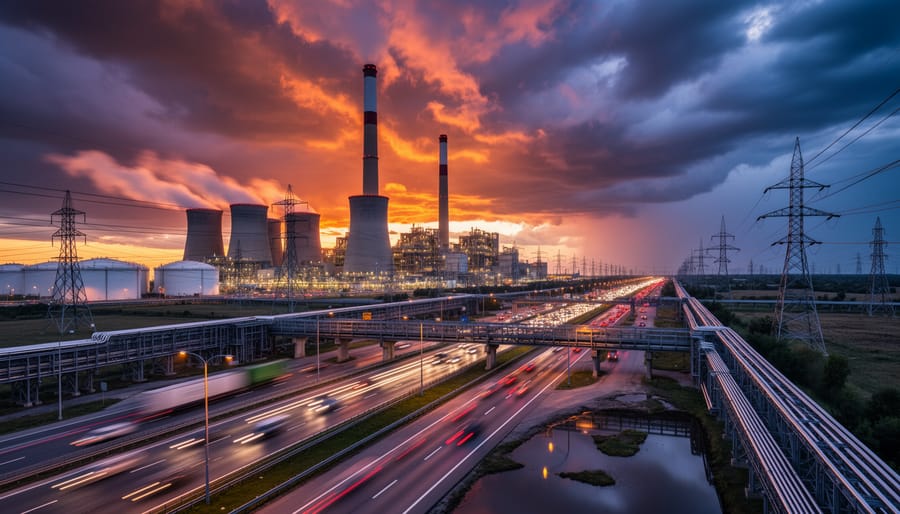
Around 80% of Canada’s greenhouse gas emissions stem from energy-related activities, making this sector the undisputed heavyweight in our climate crisis. Understanding why energy dominates our emissions profile requires looking at how Canadians produce and consume power across four interconnected areas: electricity generation, transportation, heating, and industrial processes.
Canada’s electricity generation tells a complex regional story. While hydroelectric power dominates in Quebec and British Columbia, keeping their grids relatively clean, provinces like Alberta and Saskatchewan still rely heavily on coal and natural gas for baseload power. These fossil-fuel-fired plants release massive quantities of carbon dioxide directly into the atmosphere. Even as renewable capacity expands, the infrastructure built around combustion remains deeply entrenched, supported by decades of investment and existing grid architecture.
Transportation accounts for roughly a quarter of Canada’s energy emissions. Personal vehicles, commercial trucks, aviation, and marine shipping all burn petroleum products to move people and goods across our vast geography. The sustainable transportation transition faces particular challenges here: sparse populations, extreme winter temperatures that reduce electric vehicle range, and freight networks designed around diesel. Every commute, delivery, and flight adds to the carbon ledger.
Heating represents another substantial energy demand, especially given our climate. Natural gas furnaces warm the majority of Canadian homes and businesses through long winters. This direct combustion in millions of buildings creates diffuse emissions across every community, making it harder to address than centralized power plants.
Industrial energy use ties directly to Canada’s resource extraction economy. The oil and gas sector itself consumes enormous energy to extract, process, and refine fossil fuels, creating a feedback loop where fossil energy enables more fossil extraction. Oil sands operations in Alberta require intense heat to separate bitumen from sand, natural gas processing facilities run continuously, and refineries operate energy-intensive distillation towers. The fossil fuels impact extends beyond end-use combustion to the extraction process itself.
This dominance reflects decades of energy policy favouring fossil fuel development, infrastructure locked into carbon-intensive systems, and economic structures built around extraction. Changing this requires confronting not just technology choices but the political and economic frameworks that perpetuate high-emission energy systems.
Industrial and Agricultural Contributors
While energy production dominates Canada’s emissions profile, industrial processes and agriculture quietly contribute substantial greenhouse gases through mechanisms often invisible to the public eye. These sectors account for roughly 20% of national emissions, yet their complexity makes them harder to address than simply switching power sources.
Manufacturing operations release emissions through both energy use and chemical processes. Cement production stands out as a major culprit: the chemical reaction that transforms limestone into cement inherently releases CO2, separate from the fuel burned to heat the kilns. For every tonne of cement produced, approximately 900 kilograms of CO2 enters the atmosphere. Steel manufacturing, aluminum smelting, and chemical production similarly generate emissions through industrial reactions that can’t be eliminated by renewable electricity alone.
Agriculture presents a more diffuse challenge. Livestock, particularly cattle, produce methane during digestion, a gas 28 times more potent than CO2 over a century. Canada’s 11 million cattle contribute significantly to national methane emissions. Meanwhile, synthetic fertilizers release nitrous oxide (nearly 300 times more potent than CO2) when applied to fields, and rice cultivation in flooded paddies creates conditions for methane-producing bacteria.
Land management practices amplify these effects. When farmers till soil, they disturb carbon that has been stored underground for decades, releasing it back to the atmosphere. Draining wetlands for agriculture eliminates natural carbon sinks while releasing stored emissions.
These industrial and agricultural sources rarely make headlines compared to oil extraction or coal plants, yet they represent entrenched systems requiring fundamental changes in production methods, not just energy sources. Addressing them demands innovation in cement chemistry, shifts toward less emission-intensive farming practices, and recognition that what we build and grow matters as much as how we power our lives.

Canada’s Climate Change Footprint: Where We Stand in 2026
Canada’s emissions tell a story of high per-capita impact combined with unique regional challenges. In 2023, national emissions were 694 MtCO2e positioning Canada as a significant emitter despite its relatively small population. When measured per person, Canadians produce roughly 18 tonnes of carbon dioxide equivalent annually, placing the country among the highest emitters globally on a per-capita basis. Only a handful of nations, including Australia and several oil-producing Gulf states, exceed this rate.
Regional variations paint a complex picture. Alberta accounts for approximately 38% of national emissions, driven primarily by oil sands extraction and related industrial activity. Saskatchewan follows with around 12%, largely from agriculture and fossil fuel production. Ontario and Quebec, with their larger populations and more diversified economies, contribute substantial total emissions but lower per-capita figures. British Columbia benefits from hydroelectric power dominance, resulting in cleaner electricity generation, though transportation and natural gas extraction remain significant emission sources there.
Internationally, Canada ranks as the world’s ninth-largest emitter by total volume but climbs much higher when population is factored in. This disparity matters legally and ethically. Countries with lower development levels argue that high per-capita emitters bear greater responsibility for both historical warming and current mitigation efforts. Canada’s emissions intensity, the amount of greenhouse gases produced per unit of economic output, has improved since 1990, yet absolute emissions remain stubbornly close to peak levels.
The trajectory presents both challenge and opportunity. Canada’s energy-intensive economy, vast geography, cold climate, and resource extraction focus create structural barriers to rapid decarbonization. Yet these same factors make emissions reductions particularly impactful. Energy efficiency improvements, renewable energy expansion, and reforming extraction practices could deliver substantial global benefits. Indigenous-led conservation initiatives across millions of hectares demonstrate that collaborative stewardship offers proven pathways to protecting carbon sinks while respecting treaty rights and traditional territories. Legal frameworks increasingly recognize that Canada’s capacity to act creates a corresponding obligation to lead.
Indigenous Perspectives on Climate Causes and Consequences
Indigenous communities across Canada have witnessed climate change firsthand for generations, observing shifts in migration patterns, ice thickness, plant growth cycles, and weather predictability that Western science is only beginning to systematically document. This traditional ecological knowledge, developed through millennia of careful observation and relationship with the land, offers critical insights into how climate systems function and what changes signal deeper disruption. Elders describe phenomena their ancestors never recorded, from earlier spring thaw dates affecting traplines to invasive species appearing where they were previously unknown, providing granular evidence of environmental transformation that complements scientific data.
These same communities bear a disproportionate burden of the extractive industries driving emissions. Oil and gas development, mining operations, and industrial logging frequently occur on or adjacent to Indigenous territories, often without adequate consultation or consent. The resulting emissions stem not just from extraction itself but from the infrastructure, transport, and processing that fragment landscapes and degrade ecosystems. When fossil fuel companies clear boreal forests for pipelines or when hydroelectric projects flood traditional territories, they eliminate carbon sinks while producing emissions, a double assault on climate stability that Indigenous peoples experience as both environmental degradation and cultural loss.
Yet Indigenous stewardship practices point toward solutions. Communities managing lands according to traditional principles consistently demonstrate better ecological outcomes, including carbon sequestration, biodiversity preservation, and ecosystem resilience. These approaches align with nature-based solutions that address climate causes by restoring natural carbon cycles rather than simply reducing industrial emissions. Collaborative partnerships between Indigenous nations and environmental organizations increasingly recognize that meaningful climate action requires centering Indigenous knowledge and rights, ensuring that those most affected by extraction-driven emissions lead in developing alternatives rooted in reciprocal relationship with the land rather than exploitation of it.
The Legal Framework: Proving Causation and Holding Polluters Accountable
Establishing legal accountability for climate change depends on proving causation, connecting specific emissions to measurable harm. Courts traditionally required plaintiffs to demonstrate direct, traceable links between a defendant’s actions and resulting damage. Climate change complicates this standard because emissions from countless sources accumulate globally over decades, making it seemingly impossible to attribute responsibility to any single polluter.
Attribution science has changed the game. Researchers can now quantify the contribution of specific emission sources to global warming and link temperature increases to particular extreme weather events. These forensic climate analyses use sophisticated modeling to show, for instance, how a corporation’s historical emissions made a wildfire or flood more likely or severe. The IPCC has confirmed that human activities are responsible for approximately 1.1°C of warming since 1850-1900, providing the scientific foundation courts increasingly accept.
Canadian courts have begun recognizing climate causation in groundbreaking ways:
- Courts can consider cumulative impacts from multiple emission sources rather than requiring isolated proof
- Indigenous communities have standing to bring claims based on impacts to traditional territories and treaty rights
- Government agencies must assess climate impacts in environmental approvals, creating legal obligations to consider long-term consequences
- Corporate disclosure requirements increasingly demand transparency about climate risks and emissions contributions
Several Canadian cases demonstrate this evolution. In 2026, litigation strategies focus on holding major emitters accountable through negligence claims, failure to warn about known climate risks, and violations of environmental protection statutes. Youth-led constitutional challenges argue governments violate rights to life and security by permitting high-emission activities despite knowing the consequences.
The legal landscape shifts as attribution science strengthens. Corporations that knowingly contributed to climate change while publicly denying the science face fraud and misrepresentation claims. Governments face challenges for approving fossil fuel projects inconsistent with emissions reduction commitments. These cases don’t require proving one company caused all warming, just that their substantial contribution to the problem created foreseeable harm.
This evolving framework empowers communities most affected by climate change to seek justice, compensation, and injunctive relief requiring polluters to reduce emissions and fund adaptation measures.
Beyond the Science: Understanding the Systems That Enable Emissions
Understanding what causes climate change requires looking beyond atmospheric chemistry to examine the economic and political structures that keep emissions high year after year. The greenhouse gases trapping heat in our atmosphere didn’t accumulate by accident. They resulted from deliberate policy choices, subsidies, and regulatory frameworks that favor fossil fuel extraction and consumption.
Canada spends billions annually subsidizing the fossil fuel industry through tax breaks, grants, and infrastructure investments, even as the government commits to climate targets. These subsidies make high-emission activities artificially profitable while cleaner alternatives struggle to compete. Meanwhile, regulatory gaps allow emissions to continue unchecked in key sectors, and enforcement of existing environmental laws remains inconsistent.
The relationship between polluters and power shapes climate policy at every level. Corporate lobbying influences everything from environmental assessments to emissions caps, often watering down regulations before they take effect. Industry groups fund research that casts doubt on climate science, delay policy implementation through legal challenges, and secure exemptions that undermine the effectiveness of climate legislation.
Social systems also play a role. Urban planning that prioritizes cars over transit, agricultural policies that incentivize industrial farming methods, and building codes that ignore energy efficiency all contribute to locked-in emissions. These aren’t inevitable features of modern life but rather the products of specific decisions that can be challenged and changed.
Recognizing these systemic drivers is essential because it reveals where legal advocacy and policy reform can make the greatest difference. Climate change persists not because we lack solutions but because existing power structures resist the changes those solutions require. Environmental law offers tools to dismantle these barriers, from challenging illegal subsidies to enforcing pollution regulations and demanding accountability from both corporations and governments.
Understanding what causes climate change is the first step toward meaningful action. The science is unequivocal: human activities, primarily the burning of fossil fuels and the resulting greenhouse gas emissions, are driving the 1.1°C of warming our planet has experienced since 1850-1900. But knowledge alone does not reduce emissions or protect vulnerable communities. The path forward requires legal advocacy, policy reform, and collaborative action between governments, Indigenous communities, and environmental organizations.
Canada’s challenge is significant. With national emissions at 694 MtCO2e in 2023 and around 80% of our emissions tied to energy, the stakes are clear. Yet this clarity creates opportunity. When we understand the systems enabling high emissions, fossil fuel subsidies, regulatory gaps, entrenched corporate interests, we can challenge them through legal channels. Environmental law offers powerful tools to hold polluters accountable, establish binding emissions limits, and protect the rights of those most affected by climate disruption.
This is where informed civic engagement becomes essential. Supporting evidence-based environmental protection means more than acknowledging the problem. It means advocating for stronger regulations, participating in consultations, and backing organizations that use legal expertise to start climate action at its roots.
Nature’s Resilience Canada works to address these root causes through strategic legal advocacy. By combining scientific evidence with legal action and collaborating with Indigenous communities who bear witness to these changes firsthand, we are building the case for systemic change. The warming is real, the causes are known, and the solutions are within reach when law meets determination.