
 By kevin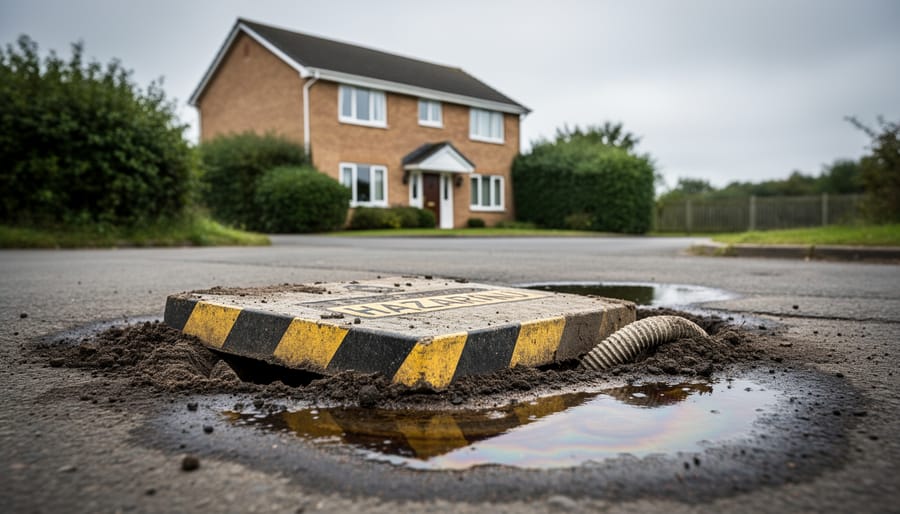
Inheriting property in the UK can transform your financial future, but Property Saviour UK experts warn that environmental liabilities hidden beneath the surface may turn your windfall into a legal nightmare. When you accept an inherited property, you don’t just receive the keys and the title. You also inherit any environmental contamination, regulatory violations, or hazardous materials present on the land, regardless of whether you knew about them or caused them.
The legal principle is stark: liability follows the land. Under the Environmental Protection Act 1990, you become responsible for contaminated land remediation the moment you take ownership. This applies whether the pollution stems from decades-old industrial activity, asbestos in the walls, underground oil tanks, or illegal waste dumping by previous owners. Courts have consistently held that current landowners bear remediation costs, even when contamination predates their ownership by generations.
Recent changes to inheritance tax rules in 2026 have prompted thousands of families to reassess inherited properties, but few understand the environmental risks lurking in older estates. A single soil contamination report can reveal cleanup costs exceeding £100,000, wiping out inheritance value and creating ongoing legal exposure. Agricultural properties may harbour pesticide residues. Former commercial sites often contain buried industrial waste. Even residential homes built before 1985 typically contain asbestos that requires professional management.
This article equips you with the knowledge to protect yourself from inheriting environmental debt alongside property assets. You’ll learn how to conduct proper due diligence, identify red flags before accepting inheritance, navigate your legal options when contamination surfaces, and understand the systemic reforms needed to prevent innocent inheritors from bearing responsibility for environmental damage they didn’t cause.
The Environmental Liability Trap: What Inherited Property Buyers Need to Know

Understanding Part IIA of the Environmental Protection Act 1990
Part IIA of the Environmental Protection Act 1990 creates a legal framework that can catch inherited property buyers completely off guard. Under this statute, local authorities carry a statutory duty to investigate and secure remediation of contaminated land in their area. If they identify contamination that poses significant harm to human health or the environment, they can require cleanup, and the costs often fall on whoever currently owns the property, not who caused the pollution.
The law defines “contaminated land” as any land where substances are causing or could cause significant harm or pollution of controlled waters. What counts as “significant” depends on how the land is actually being used. A trace of industrial chemicals might be legally acceptable under a car park but unacceptable under a children’s playground or residential garden.
Once a local authority declares land contaminated, they must identify the “appropriate person” to bear remediation costs. The law establishes a hierarchy: first, it seeks the original polluter or anyone who knowingly permitted contamination. If that party cannot be found or no longer exists, liability shifts to the current owner or occupier, regardless of their innocence or awareness. This is where inherited property buyers face their greatest risk.
The Part IIA contaminated land regime gives local authorities power to serve a remediation notice, a legal order requiring specific cleanup actions within defined timescales. Failure to comply is a criminal offence. In cases involving severe contamination, particularly groundwater pollution, remediation costs can reach several million pounds.
Local authorities typically discover contaminated land through routine planning applications, complaints from neighbors, or systematic inspections of their area. By the time you inherit property, contamination may already be on their radar, even if you are unaware.
Common Environmental Hazards in Inherited Properties
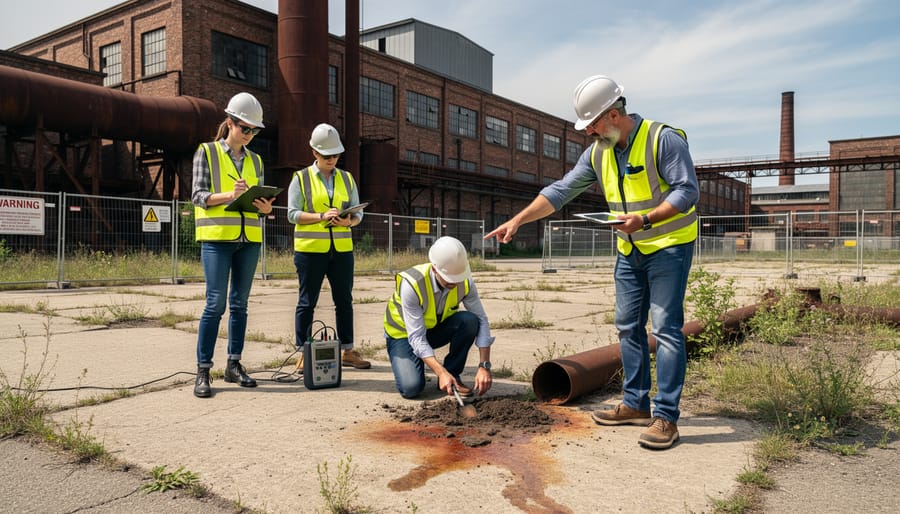
Inherited properties in the UK often conceal environmental hazards that previous owners neglected to address or failed to disclose. These contamination issues typically surface only after ownership transfers, creating unpleasant surprises for heirs who assumed they were receiving an unencumbered asset.
Asbestos remains the most widespread hazard in older UK buildings. Any structure built or renovated before 2000 may contain asbestos in insulation, ceiling tiles, floor coverings, or roof materials. The material poses no immediate danger when intact, but disturbing it during renovation releases dangerous fibers. Many inheritors discover asbestos only when planning improvements, at which point they face costly professional removal requirements before work can proceed.
Underground storage tanks create another common liability trap. Residential properties heated by oil before natural gas became standard often have buried steel tanks that corrode over decades. Agricultural properties may have larger tanks for diesel or heating oil. When these tanks leak, soil and groundwater contamination spreads beyond property boundaries. The cleanup costs for even modest leaks typically exceed £50,000, while severe cases involving groundwater pollution can require remediation spending in the hundreds of thousands.
Former industrial sites, even those converted to residential use generations ago, frequently harbor chemical residues in soil. Manufacturing facilities, dry cleaners, metal workshops, and gas stations all leave persistent contamination. Inheritors often remain unaware of a property’s industrial past until environmental searches reveal historical land uses. The fossil fuel contamination from old petrol stations proves particularly stubborn and expensive to remediate.
Agricultural land brings its own contamination legacy. Decades of pesticide and herbicide application leave residues that persist in soil long after farming ceased. The pesticides impact extends beyond the immediate property, potentially affecting nearby water sources and neighboring land.
These hazards go undetected during inheritance for several reasons. Estate executors rarely commission environmental assessments. Solicitors handling probate focus on title transfer, not contamination. Family members inheriting property often lack awareness that environmental liabilities even exist as a legal concern. Until local authorities identify contaminated land or a buyer’s survey reveals problems, inherited environmental time bombs tick silently.
Essential Due Diligence Steps Before Accepting Inherited Property

Environmental Searches and Reports You Must Conduct
Before accepting any inherited property, you need concrete information about potential environmental risks. Several specific searches provide this intelligence, each revealing different aspects of contamination history and current hazards.
An environmental database report forms the foundation of your investigation. These reports compile data from multiple regulatory sources, including historical industrial activities, landfill sites, pollution incidents, and hazardous substance storage locations within search radii of typically 250 metres to 1 kilometre from the property. Commercial providers like Groundsure and Landmark charge roughly £50-150 for these desktop reports, which deliver results within 24-48 hours. They won’t tell you definitively whether your property is contaminated, but they flag warning signs that warrant deeper investigation.
Historical land use searches reveal what happened on the site before recent memory. Ordnance Survey maps dating back to the 1800s show former industrial uses, quarries, pits, ponds, and railway sidings that might have left contamination. A pottery works in 1920 or a petrol station in 1965 creates very different risk profiles than residential use throughout. These searches typically cost £30-100 and prove essential for understanding legacy pollution risks.
Check your local authority’s contaminated land register directly. Under Part IIA of the Environmental Protection Act 1990, councils maintain public registers of land they’ve formally determined to be contaminated. If the inherited property appears on this register, you’re facing immediate remediation obligations. Most councils provide register access free online or upon request.
Groundwater vulnerability assessments matter when contamination could affect drinking water supplies or aquifers. These reports map underlying geology, aquifer locations, and pollution pathways. Properties above principal aquifers or in Source Protection Zones face stricter environmental scrutiny and potentially higher remediation costs if contamination exists.
For properties in former coal mining areas across Wales, Scotland, northern England, and the Midlands, a coal mining report from the Coal Authority is non-negotiable. Priced around £50, these searches reveal mine shafts, workings, and subsidence risks that create both structural and environmental hazards.
Budget £200-500 for comprehensive environmental searches on a typical residential property, more for commercial or industrial sites with complex histories.
When to Commission a Phase I or Phase II Environmental Assessment
A Phase I Environmental Assessment provides a desk-based evaluation of contamination risks without physically disturbing the property. The consultant reviews historical maps, aerial photographs, regulatory databases, planning records, and previous site uses to identify potential contamination sources. This non-intrusive approach typically costs between £800 and £2,500 depending on property size and complexity, with most reports delivered within five to ten working days.
You should commission a Phase I assessment for virtually any inherited property with commercial, industrial, or agricultural history. Even residential properties warrant this investigation if they predate 1970, sit near former industrial sites, or show signs of previous development. The Phase I report will either provide reassurance that no significant contamination risks exist or recommend proceeding to intrusive testing.
A Phase II Environmental Assessment involves physical site investigation: drilling boreholes, collecting soil and groundwater samples, and conducting laboratory analysis for specific contaminants identified during Phase I. This intrusive work provides definitive answers about contamination presence, concentration levels, and spatial extent. Phase II assessments typically cost £3,000 to £15,000 or more for complex sites, with fieldwork and laboratory analysis extending timelines to three to six weeks.
Commission a Phase II investigation when your Phase I assessment identifies credible contamination risks, when you plan to redevelop the property for a more sensitive use such as residential housing, or when mortgage lenders or insurers require soil testing evidence. This becomes essential for former industrial sites, petrol stations, dry cleaners, metal workshops, or properties with known underground storage tanks.
The investment in professional environmental surveys protects you from inheriting liabilities that can run into several million pounds for groundwater contamination alone. These assessments provide the concrete evidence needed to make informed decisions about disclaiming inheritance, negotiating remediation responsibilities, or proceeding with full knowledge of compliance costs.
Your Legal Options When Environmental Issues Are Discovered
Disclaiming an Inheritance to Avoid Environmental Liabilities
Under UK law, you are never obligated to accept an inheritance. Disclaiming allows you to refuse property, and the environmental liabilities attached to it, before ownership ever transfers to you. But this protection comes with rigid requirements and irreversible consequences.
You must act quickly. A disclaimer must be made before you accept any benefit from the inheritance or do anything that indicates acceptance of ownership. Once you take possession, receive rental income, or sign documents accepting the property, you lose the right to disclaim. There’s no statutory time limit, but practical considerations, such as inheritance tax deadlines and the rights of alternative beneficiaries, mean delays can eliminate this option.
The disclaimer must be formal and absolute. You cannot cherry-pick: disclaiming the contaminated factory means also disclaiming the cash legacy in the same inheritance. The refusal must be in writing, clear, and communicated to the estate’s executors. Some practitioners recommend a deed of disclaimer to avoid any ambiguity.
Understand where the property goes next. When you disclaim, the inheritance passes as if you predeceased the testator, typically to contingent beneficiaries named in the will or, absent such provisions, according to intestacy rules. You cannot direct the property to a chosen recipient through disclaimer; that would be a taxable gift, not a refusal.
This decision is permanent. Once executed, a disclaimer cannot be withdrawn or reversed, even if circumstances change or you later discover the contamination was less severe than feared. Seek legal advice immediately when environmental issues surface in inherited property, before time runs out.
Holding Original Polluters Accountable Through Legal Action
Even when you’ve inherited property with contamination, you’re not always stuck holding the bag alone. UK environmental law provides pathways to pursue the parties who actually caused the pollution, though the road can be challenging and complex. Understanding when and how to hold original polluters accountable can mean the difference between bearing millions in cleanup costs yourself or recovering those expenses from those truly responsible.
Under Part IIA of the Environmental Protection Act 1990, liability follows a hierarchy. Local authorities must first seek out the person who “caused or knowingly permitted” the contamination before turning to current owners. If you can identify and prove who polluted the site, they remain the primary target for cleanup obligations. This is where meticulous investigation pays off.
The biggest hurdle is establishing the liability chain, particularly for historical contamination. If the previous industrial operator went bankrupt thirty years ago, or if ownership changed hands multiple times, tracing responsibility becomes detective work. You’ll need historical records showing what operations occurred on the site, when specific substances were used or disposed of, and who owned or operated the facility at that time. Environmental consultants can reconstruct site history through archive research, old photographs, planning documents, and testimony from former workers.
Corporate succession adds another layer. When companies merge, get acquired, or restructure, their environmental liabilities typically transfer with them. Skilled environmental lawyers have successfully pursued major corporations for contamination caused by subsidiaries or predecessor companies they absorbed decades earlier. These cases often require piercing corporate veils and demonstrating continuous liability chains through complex business transactions.
Some inheritors have recovered cleanup costs by demonstrating that sellers or previous owners knew about contamination but failed to disclose it, potentially constituting misrepresentation or breach of duty. This requires proving both knowledge and concealment.
The 2026 Inheritance Tax Changes and Environmental Compliance Costs
From 6 April 2026, one of the biggest shifts in UK inheritance tax in decades will come into effect, creating a critical intersection with environmental compliance for those inheriting property. These reforms fundamentally change how you must approach inherited property decisions, particularly when environmental liabilities are present.
The new tax rules reshape the financial calculations around inherited property at precisely the moment when environmental due diligence becomes essential. If you discover contamination during your pre-inheritance assessment, the tax implications of your decision, whether to accept, disclaim, or negotiate, have changed substantially under the 2026 framework. The timing matters because inheritance tax calculations now work differently, and environmental liabilities can significantly affect what you ultimately pay or save.
Environmental contamination directly impacts property valuations for inheritance tax purposes. A property’s taxable value should reflect its actual market worth, and significant environmental liabilities typically reduce what a buyer would pay. If contamination is identified through proper environmental searches before you formally accept the inheritance, the reduced market value should be reflected in the inheritance tax calculation. This creates a potential planning opportunity: comprehensive environmental assessment completed before accepting the property may establish a lower taxable value.
However, the question of whether remediation costs themselves reduce the estate’s taxable value is more complex. Generally, inheritance tax is calculated on the value of assets at death, not on potential future expenses. Cleanup obligations that transfer with the property affect its market value, but the actual cost of future remediation work does not typically create a deductible expense against the estate for tax purposes.
This creates a challenging scenario where polluter accountability remains limited, yet inheritors face both reduced property value and potential tax liability on that diminished asset. If contamination cleanup could cost several million pounds, as groundwater remediation often does, you inherit both the cleanup obligation and tax on property whose real net value may be negative.
The 2026 reforms make timing critical. Complete all environmental searches and assessments before the inheritance formally passes, while you still have the legal option to disclaim. Once you accept ownership under the new tax regime, both the environmental liabilities and tax consequences become locked in, and your options narrow considerably.
Learning from Environmental Justice Cases: Protecting Inheritors and Communities
Environmental contamination doesn’t respect property boundaries, and neither should our response to it. When inherited properties carry hidden pollution, the burden falls hardest on communities already facing systemic disadvantages. Former industrial sites in working-class neighbourhoods, agricultural land in rural areas with limited resources, and aging housing stock in economically depressed regions all present contamination risks that can trap inheritors in impossible situations.
The pattern mirrors environmental justice concerns worldwide: pollution tends to concentrate where people have the least capacity to address it. An heir who inherits a modest terraced house in a former manufacturing district may discover soil contamination that costs more to remediate than the property’s entire value. Meanwhile, the corporations that created the pollution decades ago may have dissolved, restructured, or simply vanished from liability chains. The law’s focus on current ownership, while administratively convenient, can turn inheritance from a potential benefit into a financial catastrophe.
This isn’t just about individual hardship. When inheritors disclaim contaminated properties or abandon them after discovering liabilities, entire neighbourhoods suffer. Derelict sites with unaddressed contamination pose ongoing health risks to surrounding residents, suppress local property values, and signal community decline. Children play near contaminated soil, families garden in polluted ground, and residents make safer landscaping choices only if they know about the risks.
The solution requires government intervention. Dedicated funding programs should help inheritors address contamination they didn’t cause, particularly when cleanup protects community health. Local authorities need resources to pursue original polluters aggressively while protecting innocent inheritors from bearing costs that rightfully belong elsewhere. Environmental justice means ensuring that historical industrial practices don’t become permanent burdens on the families and communities left behind.
Building a Collaborative Approach: Resources and Support Systems
Inherited property buyers facing environmental compliance challenges shouldn’t navigate these waters alone. A network of specialized resources exists across the UK to help you make informed decisions and protect your interests before accepting property ownership.
Start with legal expertise tailored to environmental property law. Specialist environmental solicitors understand both property inheritance and contaminated land regulations, providing integrated advice that general probate or property lawyers may lack. The Environmental Law Foundation offers resources and can direct you toward appropriate legal support, particularly for those with limited means who might qualify for assistance programs.
Your local authority’s environmental health department is a crucial ally rather than an adversary. These officers can provide preliminary information about known contamination in your area, explain the authority’s contaminated land strategy, and clarify what remediation standards apply to your specific situation. Early, transparent communication with local authorities often leads to more workable solutions than trying to hide potential issues.
Key organizations and specialists to engage include:
- Environmental Law Foundation for legal guidance and referrals
- Local authority environmental health departments for contaminated land registers and remediation standards
- RICS-registered environmental consultants for Phase I and Phase II assessments
- Specialist environmental solicitors with contaminated land expertise
- Insurance brokers experienced in environmental liability coverage
- Community environmental groups with local knowledge of historical land uses
Environmental consultants certified by the Royal Institution of Chartered Surveyors bring technical expertise to assess actual contamination risks through proper sampling and analysis. They translate complex soil chemistry into practical recommendations about whether remediation is necessary, feasible, and affordable.
Insurance specialists can explore whether environmental liability policies might transfer some financial risk, though coverage for known contamination is difficult to obtain. Some brokers specialize in environmental impairment liability insurance that could protect against newly discovered issues after inheritance.
Community environmental groups and local historical societies often hold invaluable knowledge about past industrial activities, spills, or land uses that formal records miss. Their engagement connects inherited property decisions to broader climate action and environmental justice concerns affecting entire neighborhoods.
The collaboration between these different expertise areas creates a complete picture. Your solicitor coordinates the legal strategy while environmental consultants provide technical facts, local authorities clarify regulatory requirements, and community input ensures solutions don’t simply shift problems elsewhere. This multi-disciplinary approach transforms what feels like an overwhelming individual burden into a manageable challenge with clear pathways forward.
Seek this expert guidance before you formally accept any inherited property, not after discovering problems as the new legal owner.
Inheriting UK property doesn’t have to become a financial nightmare, even when environmental liabilities lurk beneath the surface. The knowledge and legal tools outlined in this article exist precisely to protect you from devastating costs you didn’t cause. Before accepting any inherited property, commission the necessary environmental searches and assessments. Consult solicitors experienced in both property and environmental law. These upfront investments in professional guidance can save you from million-pound cleanup obligations that would otherwise transfer with ownership.
The current legal framework places extraordinary burdens on innocent inheritors while original polluters often escape accountability. This imbalance demands reform. Policymakers must create mechanisms that shield blameless property recipients from historical contamination costs while maintaining robust environmental protection standards. Community support programs, government remediation funds, and stronger corporate liability provisions would distribute cleanup responsibilities more fairly.
Environmental justice requires that we protect both communities from pollution and individuals from undeserved financial ruin. Contaminated sites need remediation regardless of who pays, but forcing inheritors to bear the full cost perpetuates harm rather than healing it. Advocating for systemic change alongside protecting your own interests isn’t contradictory; it’s essential.
If you’re facing an inheritance decision in 2026 or beyond, remember this: you have options, you have rights, and you don’t have to navigate this alone. Seek expert legal and environmental advice before making any commitments. Your informed choices today determine whether inheritance brings opportunity or overwhelming liability.