
 By kevin
Environmental advocates are individuals, organizations, and communities who work to protect Canada’s air, water, land, and ecosystems through legal challenges, policy reform, public education, and direct action. They range from grassroots activists and nonprofit organizations to Indigenous leaders defending their traditional territories and lawyers wielding environmental legislation in courtrooms across the country. What unites them is a commitment to holding governments and industries accountable when environmental harm threatens the health of communities and the natural world.
In Canada, environmental advocacy has driven landmark victories, from stopping pipeline projects that threatened sacred waterways to strengthening pollution standards that protect vulnerable populations. These advocates use a diverse toolkit: filing lawsuits under environmental assessment laws, engaging in regulatory consultations, mobilizing public campaigns, and forming coalitions that amplify marginalized voices. Indigenous communities have been at the forefront of this movement for generations, asserting rights protected under Treaty agreements and the United Nations Declaration on the Rights of Indigenous Peoples. Their leadership has reshaped environmental law, establishing legal precedents that recognize the inseparability of land, culture, and survival.
The work is urgent. Climate change, habitat destruction, and industrial pollution demand coordinated responses that blend legal expertise with grassroots power. Environmental advocates bridge that gap, translating complex scientific evidence into courtroom arguments and policy recommendations that deliver real protection. Whether challenging inadequate impact assessments or defending the rights of future generations, they transform concern into accountability and frustration into meaningful change.
Who Environmental Advocates Are: The Faces of Canada’s Environmental Movement
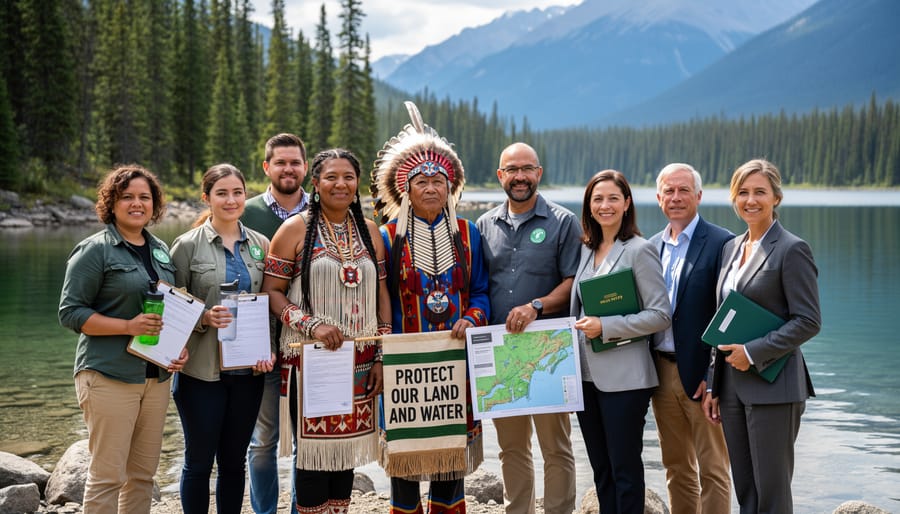
Environmental advocates in Canada aren’t a single type of person, they’re lawyers arguing cases in courtrooms, scientists presenting evidence at regulatory hearings, grandmothers blocking pipeline construction, and teenagers organizing climate strikes. They’re Cree Elders protecting traditional territories and urban planners pushing for greener cities. What unites them is a commitment to defending ecosystems, species, and the environmental rights of communities, using whatever tools and platforms they have.
At its core, an environmental advocate is anyone who actively works to protect nature and promote ecological sustainability through legal, political, educational, or direct-action means. In the Canadian context, this movement draws strength from its diversity, bringing together people with different skills, perspectives, and strategies toward shared goals of environmental protection and climate justice.
- Legal Advocates
- Lawyers and legal experts who use litigation, constitutional challenges, and judicial review to enforce environmental laws, challenge harmful projects, and establish protective precedents in Canadian courts.
- Community Organizers
- Individuals who mobilize local residents, coordinate campaigns, and build coalitions to address environmental threats facing specific communities or regions.
- Indigenous Land Defenders
- First Nations, Métis, and Inuit peoples who protect their traditional territories and waters, grounded in inherent rights, treaty responsibilities, and generations of ecological knowledge.
- Science Advocates
- Researchers, biologists, and technical experts who provide evidence for policy decisions, conduct environmental assessments, and translate complex data into accessible public information.
- Grassroots Activists
- Everyday citizens who participate in protests, campaigns, public consultations, and awareness efforts to demand stronger environmental protections and accountability from governments and corporations.
Legal professionals form a crucial pillar of environmental advocacy, representing communities and organizations in cases against governments or corporations. Groups like Ecojustice, West Coast Environmental Law, and Canadian Environmental Law Association employ lawyers who specialize in environmental litigation, often working pro bono or at reduced rates to ensure access to justice.
Scientists and technical experts contribute essential evidence and credibility. Marine biologists documenting the impacts of aquaculture, toxicologists measuring pollution levels, climate scientists modeling future scenarios, their research informs both legal cases and policy arguments, making abstract threats concrete and undeniable.
Community organizers connect the dots between environmental issues and lived experience. They’re the people hosting town halls about proposed developments, coordinating letter-writing campaigns, and ensuring that voices from affected neighbourhoods reach decision-makers. Their work transforms scattered concern into organized power.
Indigenous leadership deserves particular recognition. From Secwepemc water protectors stopping pipeline expansion to Haida Nation guardians managing marine protected areas, Indigenous advocates combine traditional knowledge with modern legal tools. Their advocacy often centres on unceded territories and the protection of lands that sustain cultural and spiritual practices spanning millennia.
Then there are the everyday citizens, parents concerned about air quality, anglers witnessing declining fish populations, hikers alarmed by clearcut logging. They show up at consultations, sign petitions, donate to environmental groups, and vote with ecological priorities in mind. This broad base sustains the movement and reminds governments that environmental protection matters to regular people, not just specialized experts.
What Environmental Advocates Do: Legal and Policy Tools for Change
Strategic Litigation and Legal Challenges

Strategic litigation transforms abstract environmental laws into enforceable shields against ecological harm. Advocates turn to the courts when governments approve destructive projects without proper assessment, when companies violate pollution limits, or when laws themselves fall short of constitutional protections.
Judicial review stands as the most common legal tool. Environmental groups challenge government decisions, permits for mines, pipelines, or industrial developments, arguing officials ignored scientific evidence, failed to consult affected communities, or bypassed mandatory environmental assessments. Courts examine whether decision-makers followed the law and considered relevant factors. A successful challenge can halt a project entirely or send it back for proper review with stricter conditions.
Constitutional challenges tackle laws that undermine environmental protection or infringe rights. Advocates argue that weak climate policies violate Charter rights to life and security, or that failure to protect critical habitat breaches Indigenous rights and treaty obligations. These cases aim to set binding precedents that reshape how governments must approach environmental decisions across the country.
Standing to sue, the right to bring a case, once limited environmental litigation to directly affected parties. A landmark Supreme Court standing case broadened access, recognizing that environmental groups with genuine interest and expertise can represent the public good. This opened courtroom doors to organizations fighting for ecosystems that can’t speak for themselves, allowing challenges that protect watersheds, wildlife corridors, and climate stability even when immediate human harm is difficult to prove.
Policy Development and Government Engagement
Environmental advocates don’t just fight in court, they shape the rules themselves. Many groups dedicate significant effort to influencing the creation and strengthening of environmental laws at federal, provincial, and municipal levels. When governments propose new regulations or review existing ones, they typically open public consultations. Organizations like Ecojustice, West Coast Environmental Law, and local conservation councils submit detailed written briefs analyzing the proposal’s strengths and gaps, backed by scientific evidence and legal precedent. Get involved in reviews through official channels allows advocates and everyday citizens to comment on major projects and regulatory changes.
Beyond written submissions, advocates testify at legislative hearings, bringing expert voices and community stories directly to decision-makers. They meet with ministers, civil servants, and Members of Parliament to present evidence, propose amendments, and build relationships that keep environmental concerns on the political agenda. This behind-the-scenes work requires patience and persistence, tracking regulatory timelines, translating complex science into policy language, and building coalitions with other environmental groups, labour unions, and health organizations to amplify their influence. When done effectively, policy advocacy prevents harm before it starts, embedding stronger protections into the legal framework rather than fighting violations after the fact.
Public Education and Movement Building
Environmental advocates recognize that lasting change requires informed, engaged communities. Beyond courtrooms and legislative chambers, they invest heavily in public education, translating complex environmental science and legal concepts into accessible narratives that resonate with diverse audiences. They organize town halls, produce multimedia campaigns, and partner with educators to build environmental literacy from the ground up.
Movement building amplifies this work through strategic coalition-building. Advocates forge alliances across environmental organizations, Indigenous nations, labour unions, faith communities, and social justice groups, creating powerful networks that speak with unified voices on critical issues. These coalitions pool resources, share expertise, and demonstrate broad public support for environmental protection, making it harder for decision-makers to ignore their demands. By mobilizing citizens to participate in consultations, attend rallies, and contact elected officials, advocates transform individual concern into collective political pressure that shapes both policy outcomes and cultural attitudes toward nature.
Indigenous Leadership in Environmental Advocacy
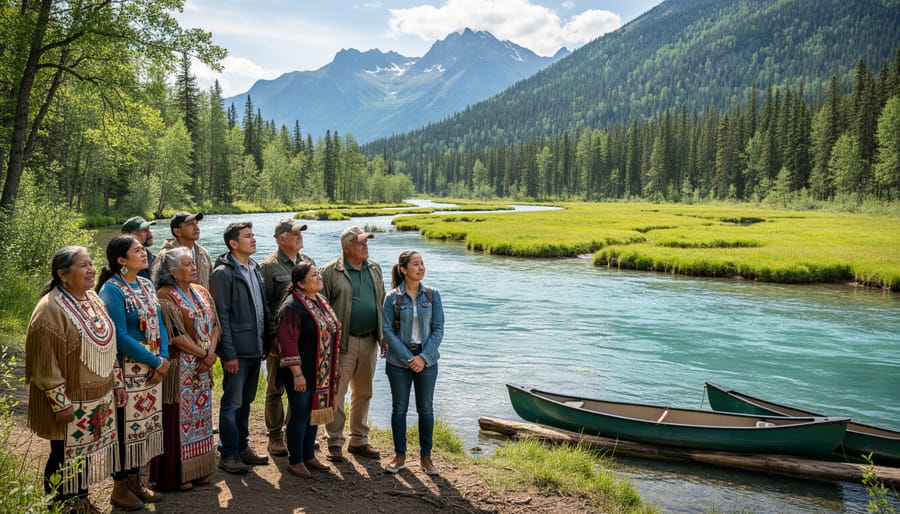
Indigenous communities stand at the forefront of environmental advocacy in Canada, bringing thousands of years of land stewardship, deep ecological understanding, and distinct legal standing to the movement. Their leadership is not a new development but a continuation of responsibilities enshrined in treaties, inherent rights, and relationships with the land that predate Canada itself. Today, Indigenous-led environmental protection efforts are reshaping how the country approaches conservation, resource management, and climate action.
Traditional ecological knowledge forms the foundation of Indigenous environmental advocacy. This knowledge system, accumulated and refined over generations, provides sophisticated insights into ecosystem health, species behavior, and sustainable resource use that western science is only beginning to fully recognize. When Indigenous communities oppose pipelines, mines, or logging operations, they draw on detailed observations of caribou migration patterns, salmon spawning cycles, and watershed integrity, observations that legal and scientific experts increasingly validate.
Free, prior and informed consent (FPIC) has emerged as a critical principle in environmental advocacy. Under FPIC, Indigenous communities must give consent before projects proceed on their territories, not merely be consulted after decisions are made. While Canada endorsed the United Nations Declaration on the Rights of Indigenous Peoples (UNDRIP) and passed implementing legislation, advocates continue pushing for genuine FPIC application, particularly regarding resource extraction projects and the effects of fossil fuels on traditional lands.
Indigenous Protected and Conserved Areas (IPCAs) represent one of the most promising collaborative approaches to environmental protection. These areas blend Indigenous governance with conservation science, allowing communities to manage vast territories according to their laws and knowledge systems while achieving biodiversity goals. IPCAs now protect millions of hectares across Canada, from the Great Bear Rainforest in British Columbia to the Thaidene Nëné National Park Reserve in the Northwest Territories.
Indigenous youth are also transforming environmental advocacy, combining traditional teachings with modern organizing tools. They testify at legislative hearings, file legal challenges, organize land-based education camps, and build alliances with environmental organizations, all while asserting their distinct rights and perspectives as Indigenous peoples. This intergenerational leadership strengthens the entire environmental movement and ensures that advocacy reflects diverse voices and approaches to protecting the land.
Landmark Victories: How Advocates Have Shaped Environmental Law in Canada
Environmental advocates have won hard-fought battles that reshaped Canada’s legal landscape and set vital precedents for ecosystem protection. These victories prove that strategic litigation, persistent policy advocacy, and Indigenous-led resistance can halt harmful projects, strengthen regulatory frameworks, and affirm rights that governments and industry once ignored.
One of the most significant victories came in 2010 when a coalition of environmental groups and the Gitxaala Nation successfully challenged the approval of the Northern Gateway pipeline. The Federal Court of Appeal ruled that the Crown had failed its duty to consult Indigenous communities meaningfully, quashed the project approval, and established a stronger standard for consultation that resonates through Canadian environmental law today. The pipeline was never built, sparing the Great Bear Rainforest and coastal waters from tanker traffic risks.
In British Columbia, decades of advocacy by environmental and First Nations groups led to the Great Bear Rainforest agreements, protecting 6.4 million hectares of temperate rainforest through a combination of new protected areas, ecosystem-based management, and Indigenous governance. This outcome demonstrated how collaborative advocacy, pairing legal pressure with conservation science and Indigenous rights, can produce durable, landscape-scale protection.
Advocates also secured the 2019 federal Impact Assessment Act, which replaced a weakened Harper-era process. Years of coalition work, legal challenges, and public campaigns forced the government to restore more rigorous environmental reviews, integrate climate considerations, and recognize Indigenous jurisdiction. Though the Supreme Court later struck down portions of the Act in 2024, the core principle of comprehensive assessment survived, and advocates continue refining the framework through ongoing litigation and engagement.
More recently, environmental lawyers and youth activists successfully challenged federal climate policy in court, arguing that inadequate emissions targets violated Charter rights and intergenerational equity. While litigation continues, the case has already pushed the government toward stronger climate commitments and opened new legal pathways linking sustainability in transportation energy, and land use to constitutional protections.
These wins illustrate that persistence pays off. Advocates lose cases, face setbacks, and endure lengthy battles, but each victory strengthens the legal tools and precedents available to the next generation fighting for nature.
Current Challenges and Opportunities for Environmental Advocates in 2026
Environmental advocates in Canada navigate a complex and rapidly shifting landscape in 2026. The climate crisis accelerates, biodiversity declines at alarming rates, and resource extraction projects continue to threaten sensitive ecosystems, each demanding urgent legal and policy responses. Yet within these pressures lie significant opportunities for advocates to leverage new tools, forge stronger alliances, and drive transformative change.
One major challenge is the gap between climate commitments and actual policy implementation. Despite federal and provincial net-zero pledges, fossil fuel subsidies persist and major infrastructure projects approved years ago continue moving forward, locking in decades of emissions. Advocates must fight defensive battles against pipeline expansions, offshore drilling permits, and industrial forestry operations while simultaneously pushing for proactive conservation measures. Courts remain backlogged, and litigation timelines stretch years, making it difficult to stop harm before it occurs.
Biodiversity loss presents another urgent front. Scientists warn that key species and ecosystems face collapse without immediate intervention, yet wildlife habitat protection remains underfunded and enforcement of existing laws inconsistent. Advocates must work across jurisdictions where federal species-at-risk legislation intersects with provincial land-use authority, creating coordination challenges and regulatory gaps that slow protection efforts.
However, 2026 also brings genuine opportunities. The federal government has committed to implementing the United Nations Declaration on the Rights of Indigenous Peoples (UNDRIP) through legislation, creating stronger legal foundations for Indigenous-led conservation and free, prior and informed consent. Indigenous Protected and Conserved Areas (IPCAs) are expanding, demonstrating innovative governance models that blend traditional knowledge with legal protection. Meanwhile, growing public concern about climate and nature loss translates into broader coalition-building potential, increased funding for environmental law organizations, and greater political will for change. Advocates who can mobilize diverse voices and connect local fights to national movements stand positioned to achieve breakthrough victories.
How to Support or Become an Environmental Advocate
You don’t need specialized credentials to make a meaningful difference in environmental advocacy. The movement thrives on diverse contributions, and there’s a role for everyone regardless of your background, schedule, or expertise.
Here are concrete ways to engage with environmental advocacy in Canada:
- Donate strategically to organizations whose work aligns with your values. Research groups active in your region or focused on issues you care about most, from marine protection to climate litigation.
- Volunteer your skills with local environmental groups. They need everything from graphic designers and social media managers to event organizers and data analysts, not just lawyers and scientists.
- Participate in government consultations on environmental regulations, impact assessments, and policy proposals. Your submission counts, and many environmental policy and law centers provide templates and guidance to help you craft effective comments.
- Attend public hearings and town halls about projects affecting your community. Your presence signals that citizens are watching and that decisions have consequences.
- Build relationships with your elected representatives at municipal, provincial, and federal levels. Regular, informed communication from constituents shapes political priorities.
- Pursue professional pathways if you’re considering a career shift. Environmental law, policy analysis, communications, and campaigning roles exist across nonprofit organizations, government agencies, and private firms.
Start small if you need to. Signing a well-researched petition, sharing credible information with your network, or attending one consultation builds momentum. Advocacy isn’t always courtroom drama or frontline protests. It’s also the quiet, consistent work of showing up, asking questions, and holding space for nature’s interests in rooms where decisions get made. Your engagement, whatever form it takes, strengthens the collective voice demanding accountability and real environmental protection.
Frequently Asked Questions
Do I need a law degree to be an environmental advocate?
No. While lawyers play crucial roles in litigation and policy work, effective environmental advocacy draws on diverse skills including scientific expertise, community organizing, communications, Indigenous knowledge, and grassroots mobilization. Many impactful advocates come from non-legal backgrounds.
How do environmental advocacy organizations fund their work?
Most environmental groups rely on a mix of individual donations, foundation grants, membership fees, and sometimes government funding for specific projects. Legal challenges are often costly, so organizations may launch dedicated fundraising campaigns or accept pro bono legal support for high-stakes cases.
What’s the difference between environmental advocacy and activism?
The terms overlap considerably. Advocacy typically refers to structured efforts to influence policy and law through established channels like legal action, government consultations, and institutional engagement. Activism often involves direct public mobilization, protests, and grassroots pressure campaigns. Most environmental organizations employ both approaches strategically.
How long do environmental legal challenges typically take?
Cases vary widely, but judicial reviews and constitutional challenges often take two to five years from filing to final decision, especially if appeals are involved. During this time, advocates may secure interim injunctions to pause harmful activities while the case proceeds.
Do environmental advocates actually win their cases?
Success rates vary by jurisdiction and case type, but strategic litigation has produced numerous significant victories in Canada, including project cancellations, stronger regulatory requirements, and precedent-setting rulings on Indigenous rights and environmental assessment processes. Even cases that don’t result in court victories often achieve policy changes or raise public awareness that shifts decision-making.
Who has legal standing to challenge environmental decisions in Canada?
Canadian courts have gradually expanded standing beyond directly affected parties. Public interest groups, Indigenous nations asserting rights and title, and sometimes individuals can challenge government decisions if they demonstrate a genuine interest and that the case raises serious justiciable issues. Standing requirements vary by province and type of challenge.
How can I verify that an environmental organization is credible?
Look for transparency in governance and finances, a track record of tangible accomplishments, partnerships with respected institutions or Indigenous communities, and clear communication about their methods and goals. Registered charities must file public annual reports, and many groups publish detailed impact assessments on their websites.
These questions reflect what many Canadians wonder when they first encounter environmental advocacy work. Understanding the answers helps demystify the field and shows that contributing to environmental protection doesn’t require specialized credentials, just commitment and a willingness to learn. Whether you’re considering a career shift, looking for volunteer opportunities, or simply wanting to support this work financially, knowing how advocacy organizations operate and achieve results makes it easier to find your place in the movement.
The path forward for environmental advocacy in Canada depends on informed, engaged people asking these kinds of questions and taking action based on the answers.
Canada’s future depends on the strength and diversity of its environmental advocates. From courtrooms to community halls, from boardrooms to the land itself, these dedicated individuals and groups defend ecosystems, challenge destructive practices, and build pathways toward a more sustainable country. Their work isn’t abstract, it’s the reason critical habitats still exist, harmful projects get blocked, and environmental laws evolve to meet modern threats.
The beauty of environmental advocacy is that it has room for everyone. You don’t need a law degree or scientific credentials to make a difference. Supporting organizations financially, showing up at consultations, sharing knowledge, amplifying Indigenous voices, or simply choosing to live more sustainably all contribute to the larger movement. Change happens when ordinary people refuse to accept business as usual.
The challenges ahead, climate disruption, biodiversity collapse, ongoing injustices, are urgent and real. But so is the power of collective action. Every voice adds weight. Every effort builds momentum. Environmental advocates have proven time and again that strategic, persistent work can shift policies, stop harm, and protect what matters most. The question isn’t whether your contribution will count. It’s when you’ll start.